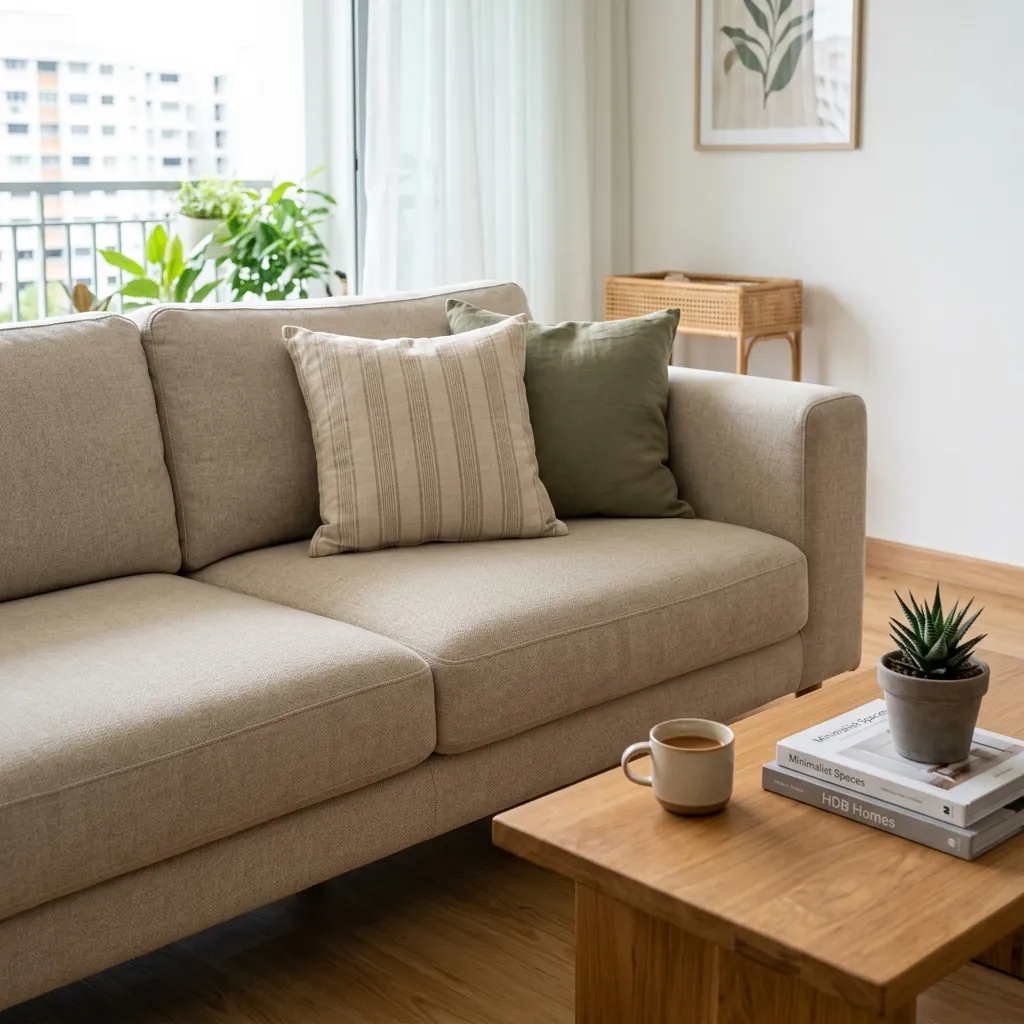
Search "best sofa cleaning Singapore" and you'll get a dozen listicles that all rank the same handful of companies in vaguely the same order. Most of them aren't wrong – they're just unhelpful. "Best" isn't a single answer. The best sofa cleaning service for a family with a newborn and two cats is different from the best one for a landlord cleaning a unit between tenants.
This is the criteria-based version. Read it, and you'll know what to ask any cleaner – us or anyone else – before you book.
Why "best" depends on what you actually need
There are roughly three buyer profiles in Singapore, and they want different things from a sofa cleaning service:
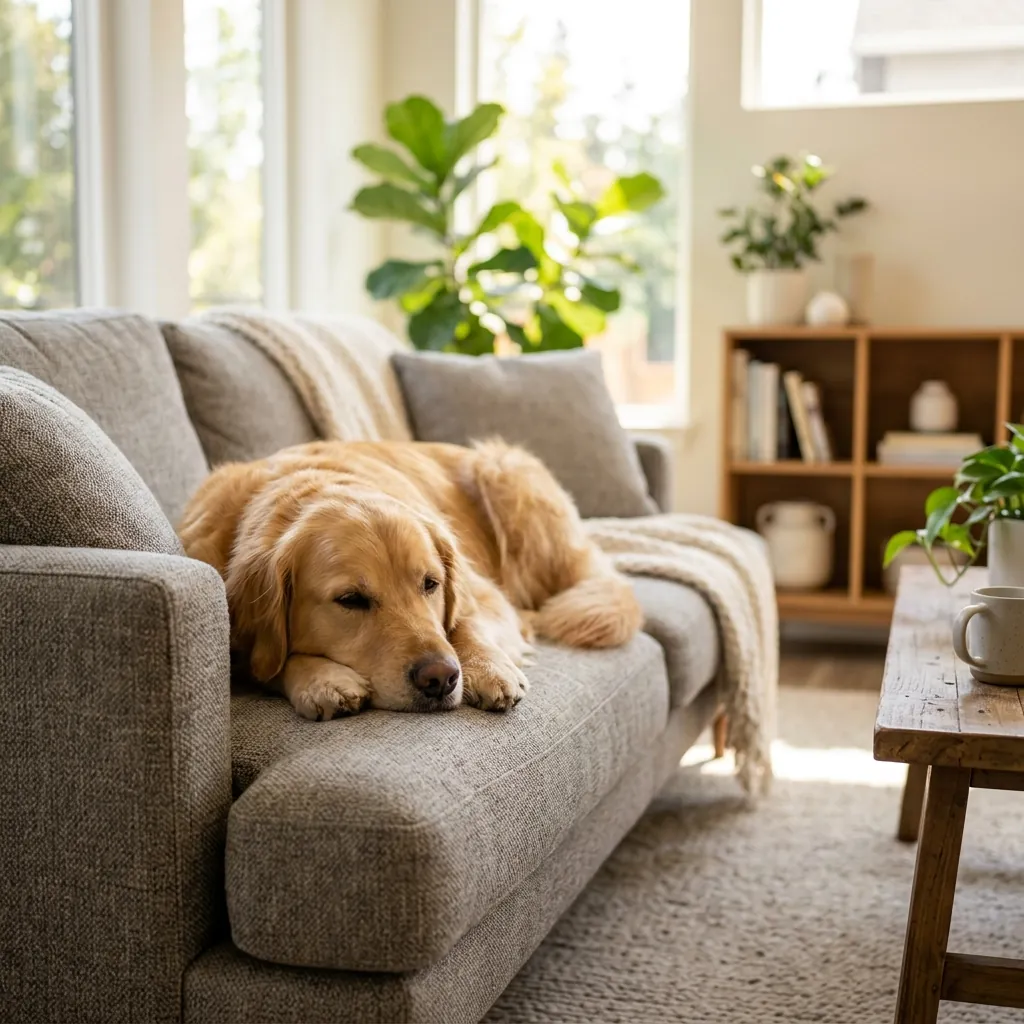
- Households with babies, pets, or sensitive skin – care most about chemistry, residue, and what's left in the fabric after cleaning.
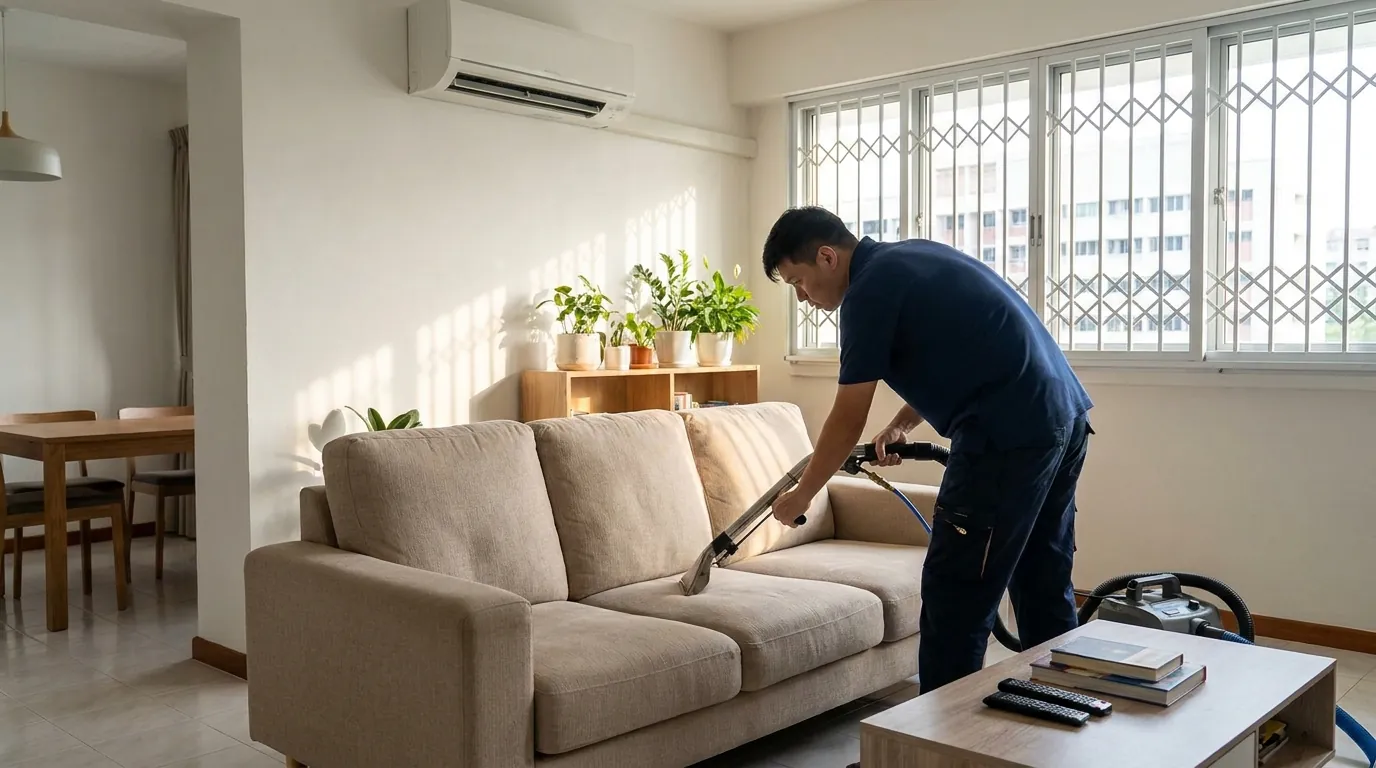
- Tenants and homeowners doing one-off deep cleans – care most about price, convenience, and bundle availability with other services.
- Premium homes with leather or designer upholstery – care most about technique, fabric expertise, and not damaging an expensive piece.
No single provider is best for all three. The good news: figuring out which one fits your situation only takes five questions.
The 5 questions that separate good from bad
These mirror the framework we use in our pet- and baby-safe sofa cleaning guide, adapted for general service selection. Ask every cleaner the same five – the answers reveal everything.
How Singapore's sofa cleaning market is structured
Once you know what you need, knowing the three categories helps you shortlist quickly. Each has trade-offs.
Marketplaces
Best for: bundled cleans (home + sofa), one-off jobs, tenants on a budget.
Trade-off: cleaner quality varies session to session; the platform sources whoever's available.
National chains
Best for: predictable pricing, recognisable brand, large multi-room jobs.
Trade-off: standardised process – not always optimised for residue, pets, or specialist fabrics.
Specialists
Best for: pet/baby households, allergy sufferers, designer fabrics, leather.
Trade-off: narrower scope – you'll need a separate provider for general home cleaning.
A marketplace will get a job done. A specialist will get a specific job done better. Choose by which trade-off you can live with.
Red flags – walk away if you hear these
- Pricing is vague ("depends on the sofa") with no published rates. Honest specialists publish fixed per-seater pricing.
- The sales person promises a "fresh citrus" or "lavender" scent. That smell is residue still in your fabric.
- "Sure, no problem" for cat-safety questions without explaining what they avoid (phenols, tea tree, eucalyptus, certain quaternary ammoniums).
- No clean-water rinse pass in the process description.
- No stain-recovery policy – they "guarantee perfection" but won't put a remediation step in writing.
What sets Upward apart
We built Upward Cleaning Services specifically as the third category – a Singapore specialist for households where residue, chemistry, and fabric integrity actually matter. We're not the right call for a quick whole-flat bundled clean. We are the right call when the people sitting on your sofa are babies, pets, or someone with eczema or asthma.
Zero-residue rinse pass, hospital-grade sanitisation, pet-safe by default
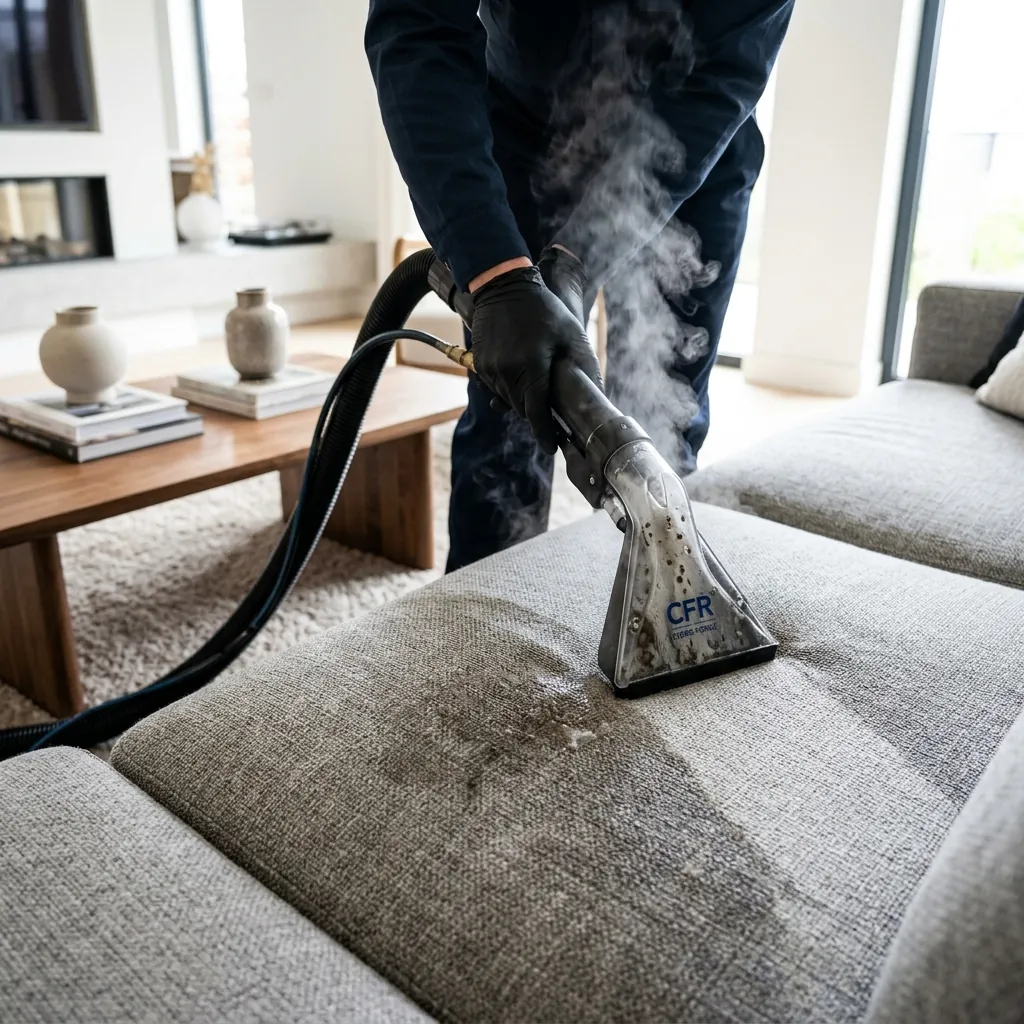
- Zero-residue rinse pass on every job and a closing sanitising pass, so no cleaning chemistry is left in the fabric.
- Hypochlorous acid sanitiser – the same chemistry used to sterilise infant feeding bottles and neonatal equipment.
- Pet-safe by default – we avoid phenols, tea tree, eucalyptus, and quaternary ammoniums on every job. No upcharge for "pet-friendly" because every job already is.
Fixed per-seater pricing, no quote calls, no "depends on the sofa." 3-seater fabric sofas start at S$105, and every item is priced the same way whether you book one piece or several. See the full sofa pricing. To see how the visit itself runs, from arrival to drying time, read what to expect at your cleaning visit.